Clothing repairs · Calgary

Keep the pieces you love in rotation.

A worn seam, failing zipper or damaged lining does not always mean a garment has reached the end of its life. We assess the construction and fabric, then repair the problem with a finish suited to the original piece.

Mending · Reinforcement · Restoration
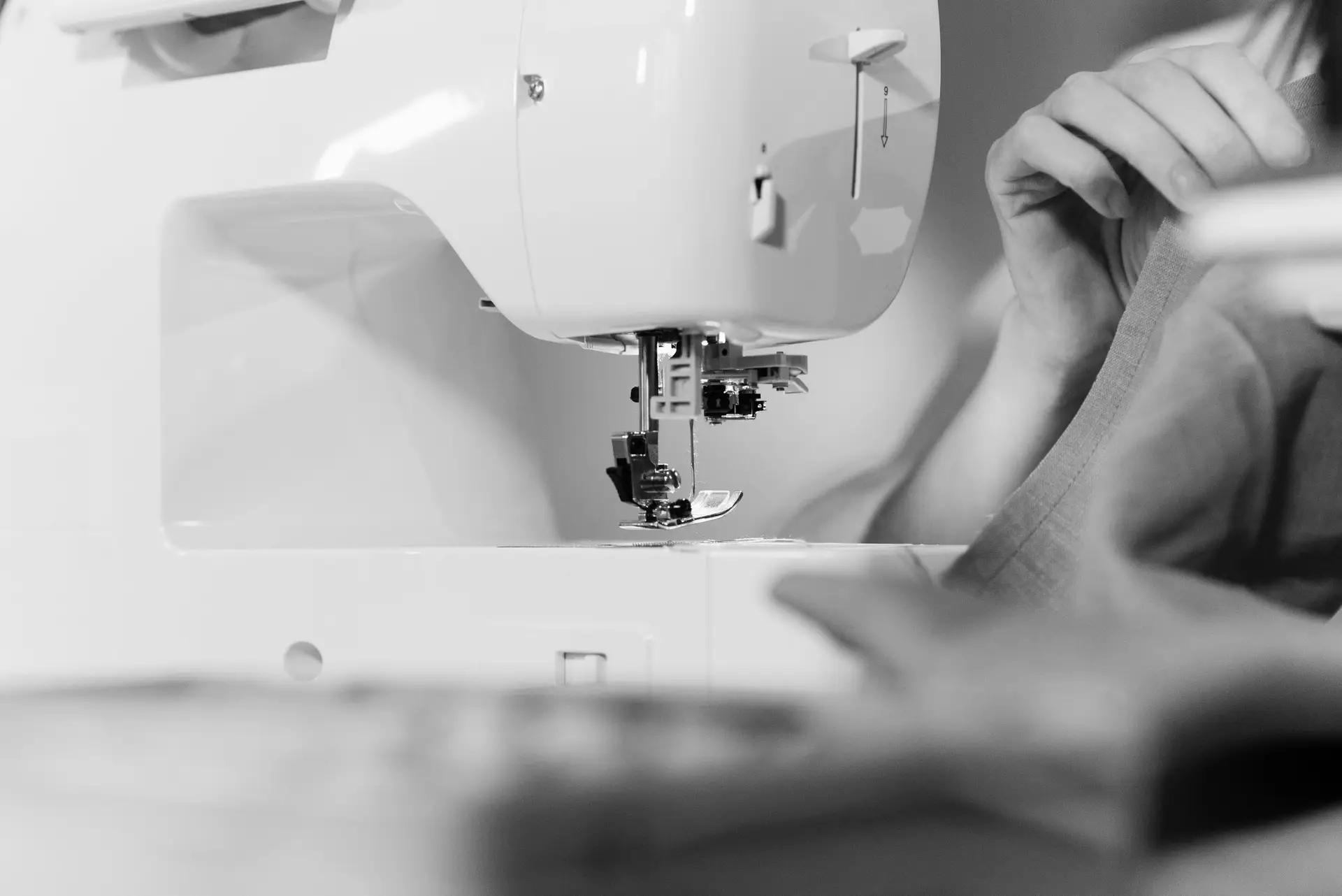
Close-up of a sewing machine stitching a garment seam

Repair services

Practical repairs, chosen for the garment.

We work with everyday clothing, outerwear, denim, tailored pieces and selected delicate textiles. The best repair depends on where the damage sits and how the fabric behaves.

01

Zippers & closures

We assess stuck sliders, separated teeth, damaged stops and worn zipper tape. Depending on the garment, the repair may involve a slider adjustment, a new fastening or a complete replacement with a suitable weight and length. Buttons, snaps, hooks and eyes can also be reattached or replaced.
02

Seams & split stitching

Open side seams, loose armholes, split seat seams and pulled stitching need a repair that restores strength without creating unnecessary bulk. We inspect seam allowance and fabric condition before choosing a matching stitch or reinforcement.

03

Hems & edges

We secure loose hems, rebuild frayed edges, repair dropped trouser cuffs and restore skirt or dress borders. Where possible, we preserve the original hem depth and stitching character so the repair blends with the garment.

04

Pockets & stress points

Worn pocket corners, torn pocket bags, weakened belt loops and areas under repeated tension can be reinforced from the inside. We aim to distribute strain across sound fabric rather than simply cover the visible damage.

05

Linings & inner construction

Coat and jacket linings can split at vents, sleeves or underarms. We repair accessible openings, replace selected lining sections and address loose facings while keeping the outer shape undisturbed.

06

Darning & fabric reinforcement

Small holes, thinning areas and localised abrasion may be suitable for darning, patching or internal support. We consider fibre type, colour, weave and placement to achieve a stable repair with a considered appearance.

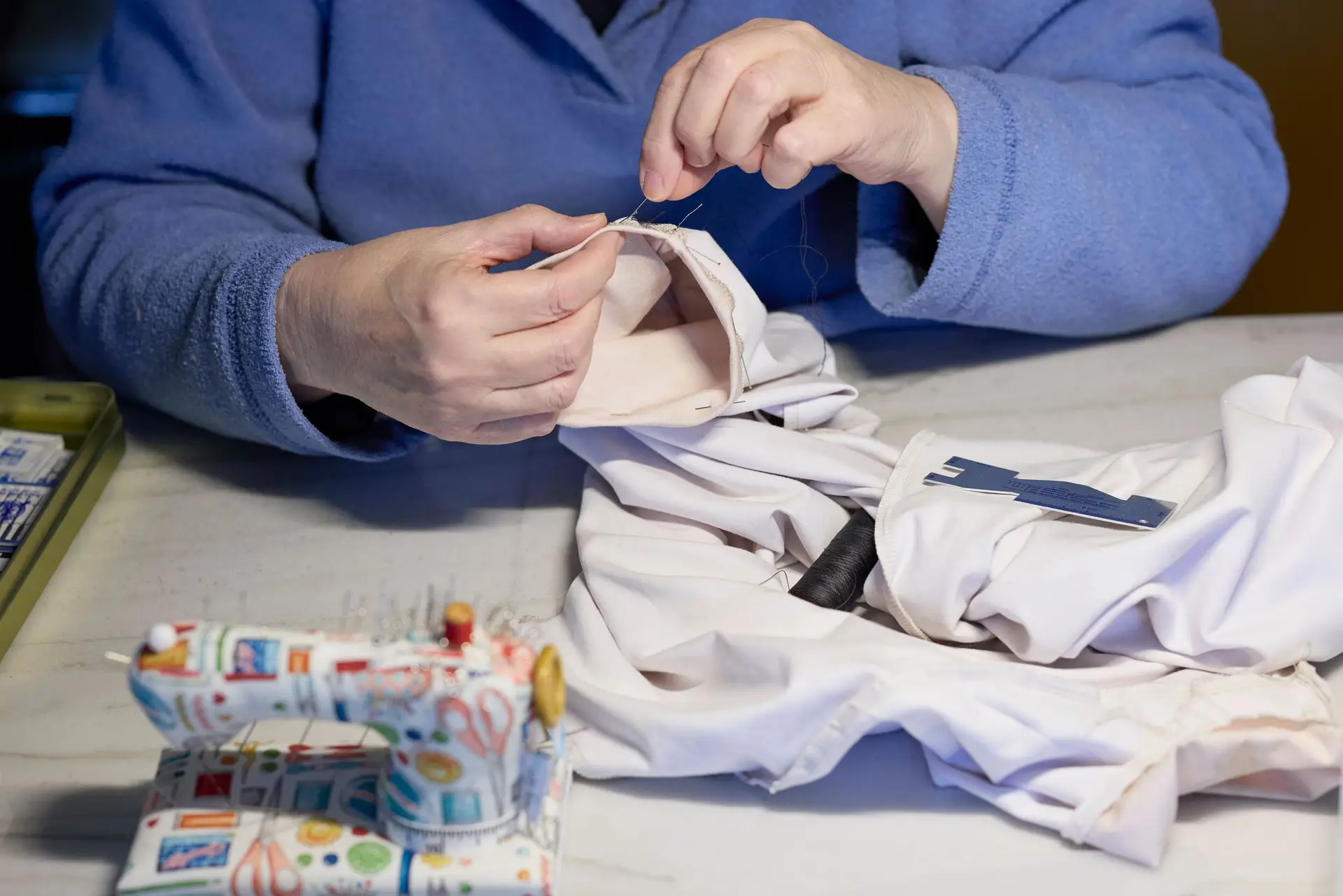
Hands repairing a garment at a sewing table

A repair that lasts

We look for the cause, not only the visible tear.

A seam may open because the thread has worn, the allowance is too narrow or the area is under repeated strain. A pocket may tear because its corners were not sufficiently secured. Understanding the cause helps us choose a repair that is more likely to hold up in use.

  • Assessment of fabric strength and existing construction.
  • Thread and stitch choices suited to the material.
  • Reinforcement at points that carry repeated tension.
  • Finishing and pressing to keep the repair neat and comfortable.

Common repair details

Small components. Important function.

Buttons, pocket corners, hems and seam finishes influence how a garment performs every day. We give these working details the same attention as larger repairs.

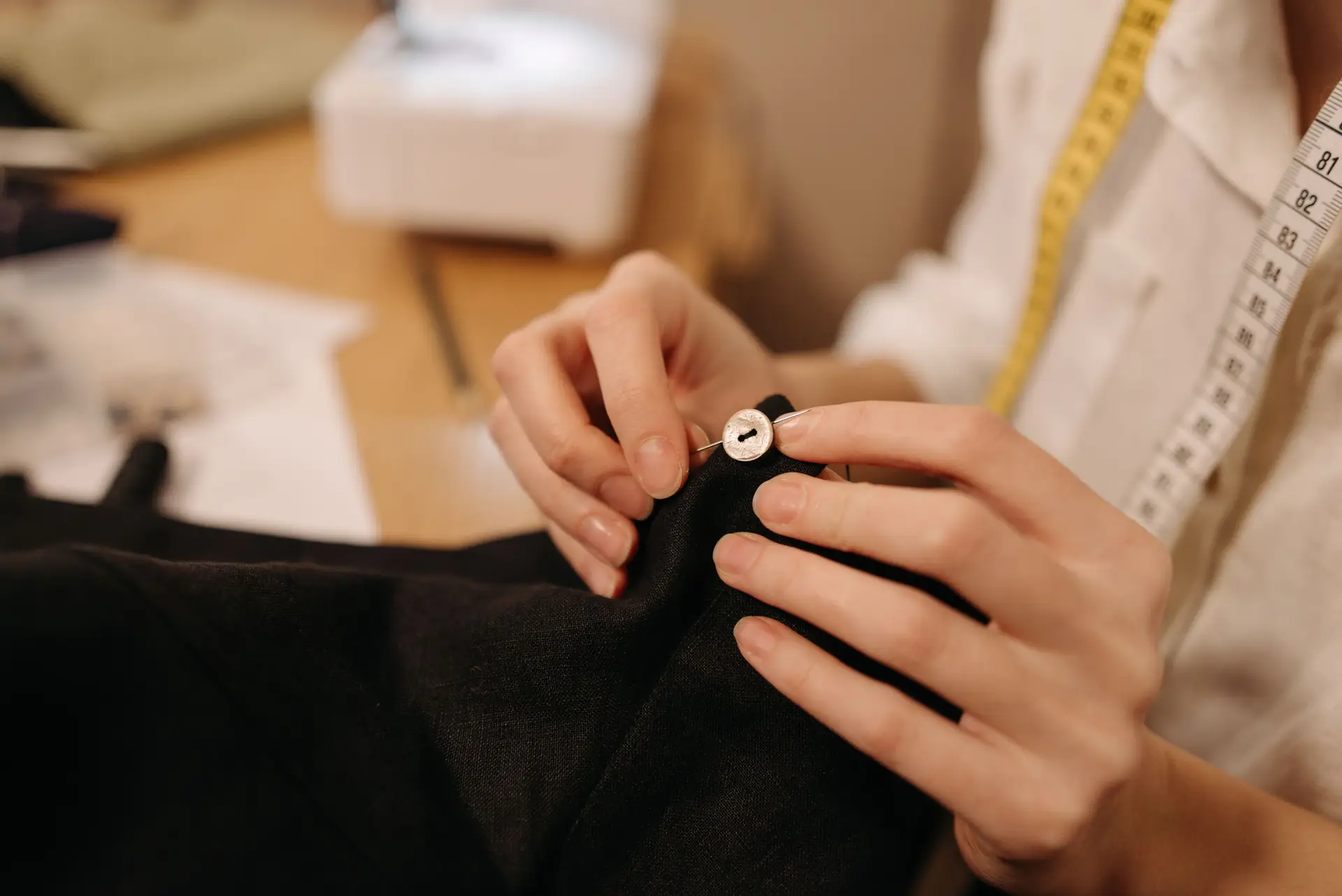
Close view of a button being secured to a garment
Closures & fastenings
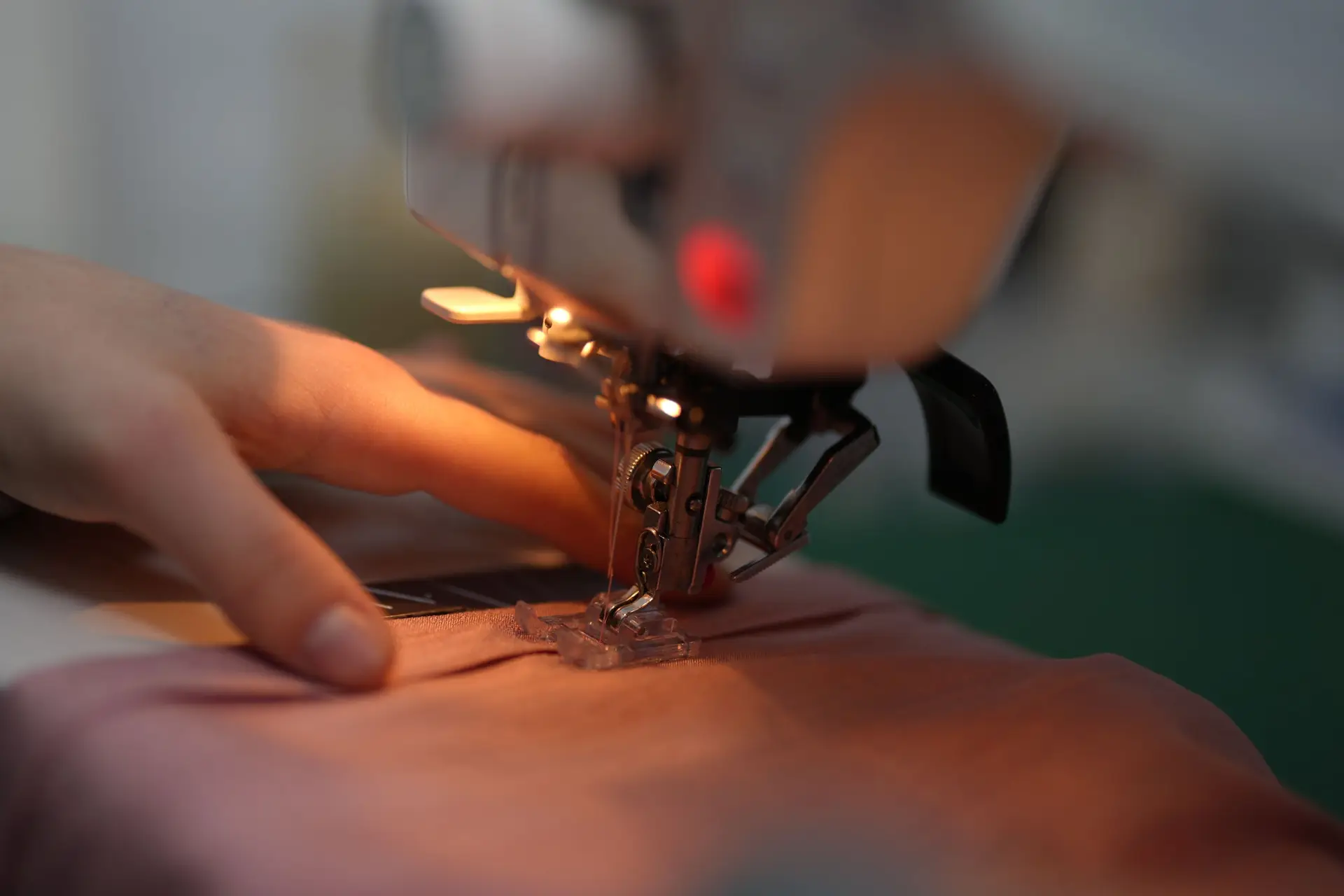
Sewing machine detail during a garment repair
Stitching & reinforcement
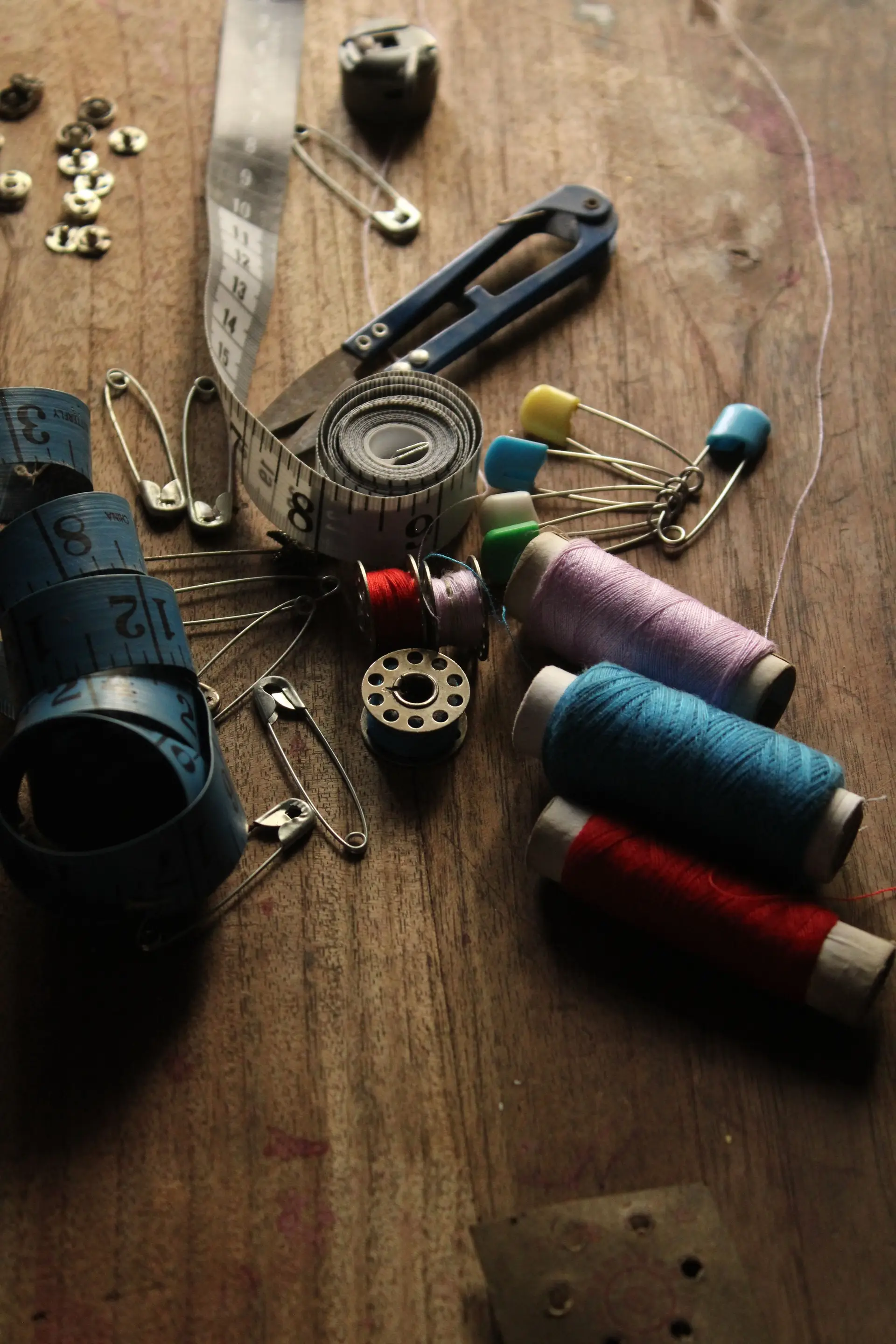
Tailoring tools and sewing notions arranged on a work surface
Careful preparation

How a repair moves forward

Clear steps. Considered work.

01

Describe the issue

Tell us what happened, what the garment is made from if known, and how often you wear it. Photos can help us understand the location and scale of the damage.

02

Review the options

We inspect the affected area, explain the available repair methods and confirm whether the result will be discreet, visible or primarily structural.

03

Repair & finish

Once the scope is agreed, we complete the work, check the repaired area and prepare the garment for collection.

Have a piece that needs attention?

Tell us what has worn, opened or come loose.

We can help you decide whether a repair is suitable and what the next step should be.

Discuss a repair